
Your Consultation
Personalised Parkinson’s and movement disorder consultations.
THE PROCESS
Your consultation journey.
A thorough, patient-centred approach to neurological diagnosis.
INTRODUCTION
Getting to know you and understanding your concerns.
HISTORY
A detailed exploration of your symptoms and their development.
EXAMINATION
A comprehensive neurological examination.
DISCUSSION
Explaining findings and exploring treatment options together.
DIAGNOSIS
A clear diagnosis with a personalised management plan.
Below is a detailed description of each journey step explained clearly.
Your journey with me
When you come to see me, I will take a detailed history of your symptoms, asking you to describe the problem, when it began, and how it has developed over time. I will then carry out a thorough neurological examination.
A careful and detailed history is essential in reaching an accurate neurological diagnosis. I understand that attending a consultation can feel daunting, and it is very common to feel anxious or forget key details on the day. To help with this, it can be useful to make a few brief notes beforehand about your symptoms and when they started.
It is also helpful to consider which symptoms are most troubling for you.
Please feel free to share your main concerns openly, so I can address them fully and provide appropriate reassurance.
Introduction
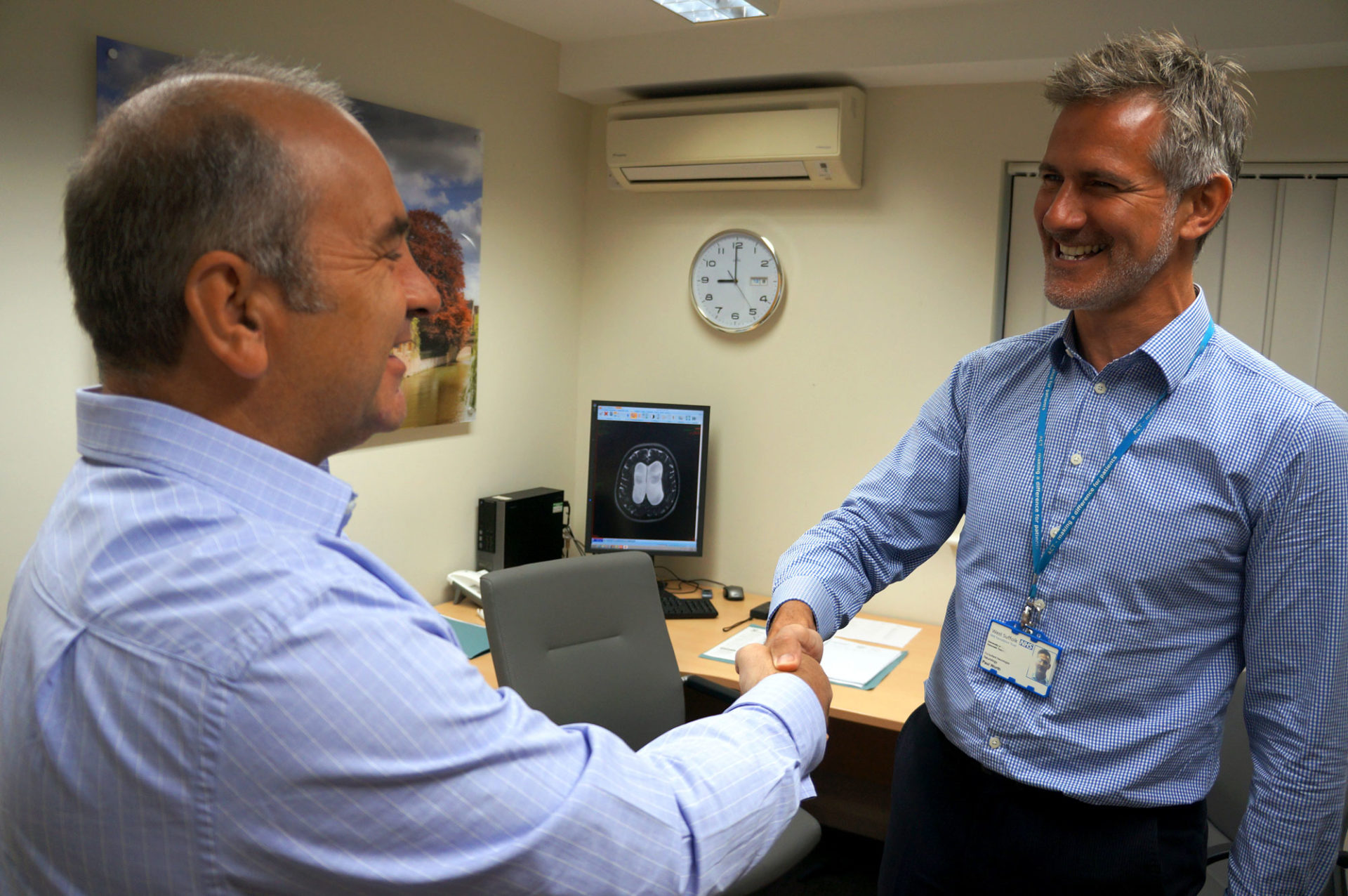
When you come to see me, I will take a detailed history of your symptoms, asking you to describe the problem, when it began, and how it has developed over time. I will then carry out a thorough neurological examination.
A careful and detailed history is essential in reaching an accurate neurological diagnosis. I understand that attending a consultation can feel daunting, and it is very common to feel anxious or forget key details on the day. To help with this, it can be useful to make a few brief notes beforehand about your symptoms and when they started.
It is also helpful to consider which symptoms are most troubling for you.
Please feel free to share your main concerns openly, so I can address them fully and provide appropriate reassurance.
History
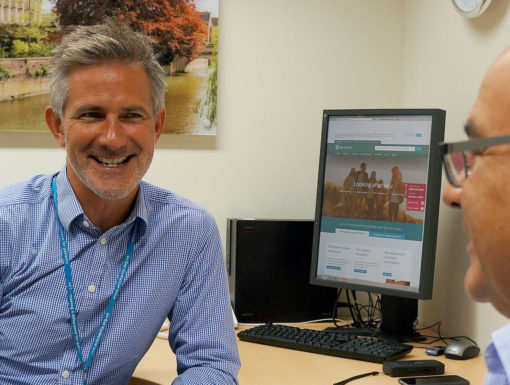
I will begin by asking you about your symptoms, including when they first started and how they have changed over time. Understanding the full picture of your condition is essential to making an accurate neurological assessment.
I will also take a detailed medical history, including any health problems you have experienced in the past as well as any conditions you are currently managing. This helps to ensure that nothing important is missed when considering your diagnosis and treatment plan.
In addition, I will review any medications you are currently taking, including prescribed treatments, over-the-counter medicines, and any supplements. This information is important as medications can sometimes influence neurological symptoms or interact with treatments.
Examination
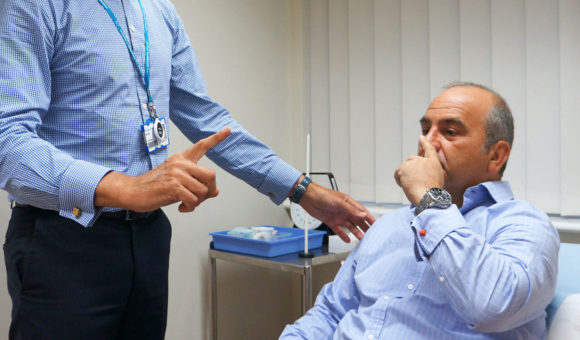
A neurological examination can seem unfamiliar if you have not experienced one before. During the assessment, I will observe how you walk and assess your balance. I will examine your eyes and their movements, as well as the function of your facial and throat muscles.
I will also listen carefully to your speech to assess its quality and clarity. In addition, I will test the strength and coordination of your arms and legs, check your reflexes, and assess your sensation, including touch, pain, and vibration.
Each part of the examination helps build a detailed picture of how your nervous system is functioning, allowing me to identify any areas of concern and guide an accurate diagnosis.
Discussion
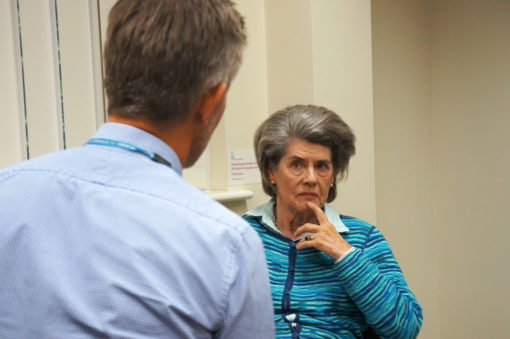
I will explain the findings from your neurological examination and discuss how these relate to the symptoms you have been experiencing.
Understanding this connection is an important part of reaching an accurate diagnosis and planning any next steps in your care.
A normal neurological examination is often very reassuring. In many cases, it effectively rules out a wide range of serious neurological conditions, including disorders such as multiple sclerosis and Parkinson’s disease. Even when symptoms are concerning, a normal examination can help guide us away from these diagnoses and towards more benign or treatable explanations.
I will ensure you fully understand what the examination shows, what it means for you, and whether any further tests or follow-up are needed.
Diagnosis
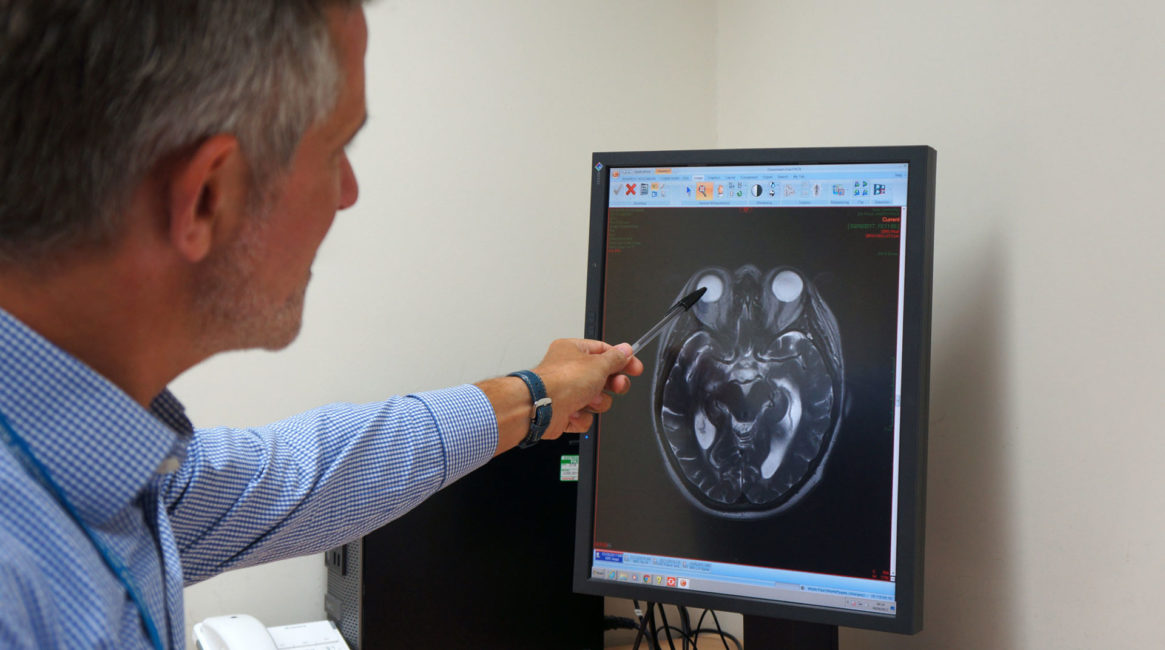
In many cases, I am able to make a diagnosis during the initial consultation. When this is possible, I will clearly explain the diagnosis and talk you through the reasoning behind it, so you understand how it has been reached.
If the diagnosis is not immediately clear, I may recommend further investigations to help clarify the situation. These can include brain or spinal scans, blood tests, or specialised neurological studies such as EEG (to assess brain electrical activity) or EMG (to assess nerve and muscle function).
Once all relevant information has been reviewed and a diagnosis is established, I will discuss appropriate treatment options with you, along with what to expect in terms of prognosis and longer-term management.
We give thanks every day for having been referred to such a kind and gracious consultant. Your expertise, professionalism, and encouragement were very special to us and we struggle to find words that are adequate in conveying our gratitude.
MR AND MRS AB, GREAT CORNARD, SUFFOLK

Ready to discuss your symptoms?
Book a private consultation with Dr Worth.